
Sorting is easy when you know what goes into which container. In this cheat sheet we have put together the main rules: what can and cannot go into the plastic and metal, paper, glass and food waste containers, and where to put textiles, deposit packaging and hazardous waste.
Important: container colours and collection rules may differ slightly between municipalities. Always follow the label on the container and your waste management company's rules.
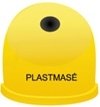 You can put in:
You cannot put in:
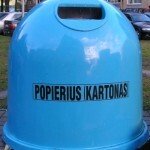 You can put in:
You cannot put in:
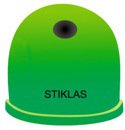 You can put in: glass bottles and jars (without lids), glass packaging.
You cannot put in: mirrors, porcelain, ceramics, crystal, light bulbs, window and car glass, spectacle lenses, medical ampoules.
Food and kitchen waste is collected separately in Lithuania. Usually brown containers or containers with a brown lid are used for it, but the exact rules are set by the municipality. Here you can put fruit and vegetable scraps, coffee grounds, tea leaves and food leftovers. Not allowed: packaging, plastic bags (unless the waste company allows compostable ones), ash, pet litter.
At home it's handy to have a small separate bin for food waste, and in the yard a brown 120 l or 240 l container.
Since 2025, textile waste must be sorted separately. Take clothes, footwear, bedding and other textiles to special textile containers or waste collection sites – not to the mixed waste container.
Return plastic bottles, cans and glass bottles with the deposit mark to reverse vending machines in shops – that way you get your deposit back. Companies and institutions can conveniently collect such packaging in a separate container for deposit packaging.
Take batteries, accumulators, electronics, fluorescent lamps, leftover paints, varnishes and solvents, lubricants and their filters to bulky waste collection sites. Batteries are also accepted at the shops that sell them. The sites also accept bulky waste (furniture, household appliances, tyres), construction waste and green waste.
Only what cannot be recycled or handed in separately goes into the mixed waste container: soiled paper products, hygiene products, broken dishes, dust and so on. The more you sort, the less waste ends up in landfill.
Sorting is easiest when each type of waste has its own place. Small recycling bins with coloured lids suit homes and offices, while yards and companies need 120–360 l containers or large-capacity containers. Read more about sorting on the Waste sorting page.


