
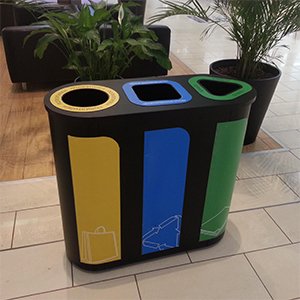
 In many municipalities, the cost of waste management depends on how much mixed waste is produced. So sorting is not only about caring for nature, but also a way to keep costs from rising. The more waste is sorted and recycled, the less of it ends up in landfills and incineration plants.
Find out which containers are in your yard or street and organise your household bins accordingly. Three or four are usually enough: for plastic and metal, paper, food waste and mixed waste. Glass can be collected in a separate bag or box. The most convenient choice is recycling bins with several compartments – they take up little space.
A lot of sorted waste becomes unsuitable for recycling because the paper is wet or dirty, or the plastic has food leftovers on it. Keep paper dry, give plastic packaging a quick rinse and flatten cardboard boxes – that way more will fit in the container.
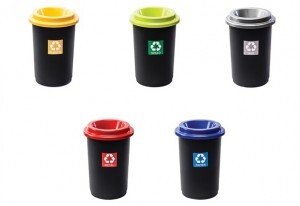 The best waste is the waste that doesn't exist. Take your own bag to the shop, reuse plastic bags several times and choose products with less packaging. Return bottles and cans with the deposit mark to reverse vending machines – that way you get your deposit back.
Food waste is collected separately in Lithuania, and since 2025 textiles must also be sorted separately. Residents of private houses can compost food and green waste on their own plot, and take textiles to special containers or waste collection sites.
The first few weeks may feel unusual, but after that sorting becomes second nature. The most important thing is that the bins are in a convenient place and clearly labelled. You'll find what goes into which container in our waste sorting guide.


