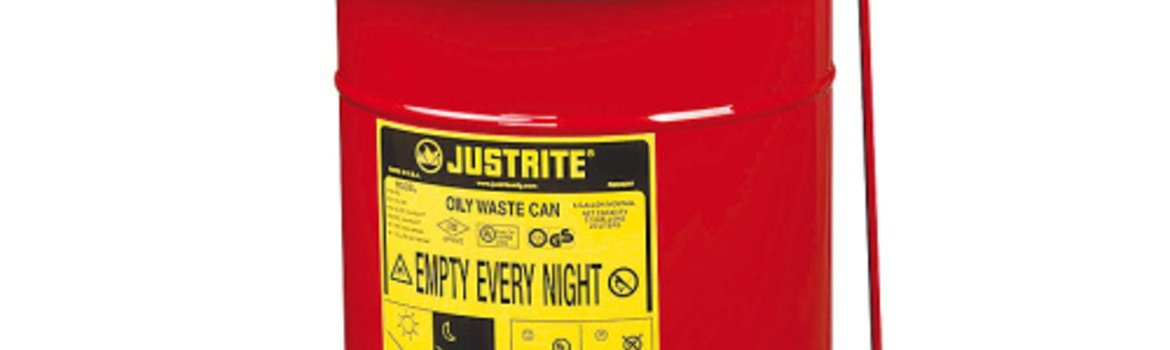
Car repair shops, manufacturing companies, workshops, laboratories and even offices deal with hazardous waste: used oil, oily rags, filters, leftover paints and solvents, batteries, fluorescent lamps. If stored improperly, it can cause a fire, pollute the environment or harm employees' health.
This article offers practical tips, not legal advice. The exact requirements for your activity are set by legislation, so it's worth checking them with your waste management company or the Environmental Protection Agency.
Hazardous waste must not end up in general containers. Different types of hazardous waste are also stored separately – for example, oily rags separately from batteries, and lamps separately from other waste.
You'll find all these solutions in the Containers for hazardous waste category.
Each container must be clearly marked with the type of waste stored in it. This helps employees avoid mistakes and helps the waste management company collect it quickly.
Store liquid hazardous waste in sealed containers on trays that can catch any spills. Keep absorbent materials nearby.
Hazardous waste is stored in a separate, ventilated place protected from precipitation, where unauthorised persons cannot enter. Flammable waste should be kept away from sources of heat and fire.
Hazardous waste must only be handed over to a waste management company authorised to handle it. Companies in Lithuania usually keep waste records in the GPAIS system – check which requirements apply to your activity.
Need advice on which container you need? Write to us about what waste you collect and in what quantity – we'll help you choose.


