Every year winter catches us by surprise: the first black ice turns pavements and car parks into a skating rink. On days like that, what matters most is that the gritting mix is right at hand, not in a warehouse on the other side of town. That's why it's worth setting up a sand and salt bin in the autumn.
The best place is where it gets most slippery and where gritting will be needed most often: by steps, slopes and entrances. Then the mix doesn't have to be carried far.
Sand doesn't melt ice, but it immediately improves grip and isn't harmful to plants or paving. Salt melts ice and compacted snow, but too much of it damages plants, footwear, cars and concrete surfaces. That's why a sand and salt mix is most often used – it both melts ice and reduces slipperiness.
Whichever material you choose, it must be dry. Wet sand or salt freezes into a single lump in the cold, and then spreading it becomes impossible.
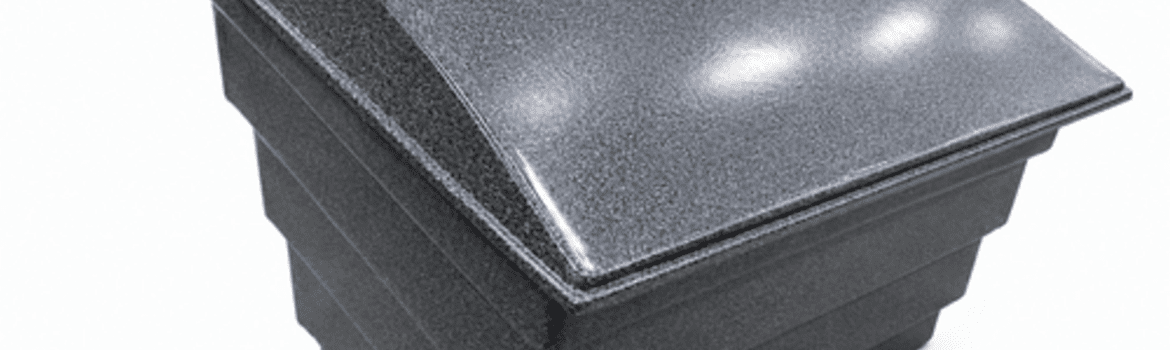
An open bag or bucket outdoors quickly absorbs moisture, and in spring it's left as a muddy heap. A closed container with a tight lid protects the mix from rain and snow, so it stays free-flowing all winter. Durable plastic is unaffected by frost, UV rays and moisture, and a bin without a lock is always accessible to anyone who needs to grit a path.
For most apartment buildings, schools and small companies, a 150 l sand and salt bin is enough. It holds enough mix that you won't have to refill it after every icy spell. On larger premises, for example at shopping centres or large car parks, it's worth placing several bins in different locations.
You'll find all containers in the Containers for sand and salt mix category. If you're unsure what size or how many bins your premises need, get in touch with us – we'll advise you.


