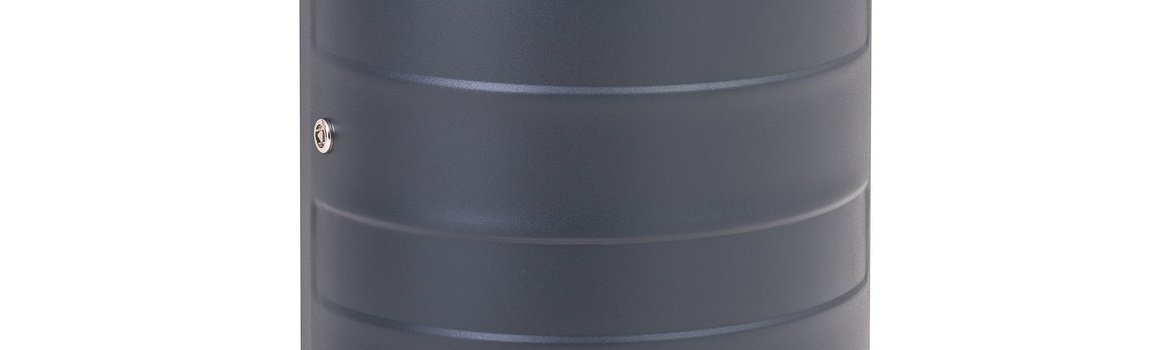
An outdoor waste bin stands in the open all year round, so it has to withstand rain, frost, sun and sometimes vandals. To make your purchase last, it's worth thinking a few things through in advance.
Concrete – the heaviest and most resistant, no fixing needed. Galvanised or painted steel – strong, lighter, with a choice of colours. Stainless steel – an elegant look next to modern buildings. Plastic (polyethylene) – light, rust-free, unaffected by moisture and often cheaper. Wood with steel – suits parks and places close to nature.
For busy locations choose 60–110 l bins, for quieter ones 30–60 l. A bin that is too small fills up quickly and rubbish ends up next to it.
A roof protects the contents from rain and snow, so waste doesn't get wet, odours are reduced and birds don't scatter the rubbish. This is especially important in parks and near food outlets.
At entrances, bus stops and rest areas it's worth choosing a waste bin with a built-in ashtray or placing a separate ashtray next to it. That way cigarette butts don't end up in the general bin and don't create a fire risk.
Metal and plastic bins in public places should be fixed to the ground. Check whether the bin has a removable inner bucket or a bag holder – this makes daily emptying much easier. Some bins have lockable doors.
Public places increasingly feature recycling bins with several compartments, or bins of different colours placed side by side. Holders for deposit packaging are also available – people leave bottles and cans there, so nobody has to dig them out of the bin.
A good outdoor waste bin means sturdy material, the right capacity and easy emptying. You'll find all models in the Freestanding outdoor waste bins and Concrete waste bins categories, and installed examples in the Our projects section.


